Eastern Cape Hunting
The Eastern Cape offers lush vegetation, undulating terrain and unique species unavailable elsewhere.
Challenging Mountain and Coastal Forest Hunting in the Eastern Cape
The Eastern Cape Province was once considered one of the richest wildlife areas in South Africa. Unrestricted hunting in colonial times, however, put quite a dent in the wildlife population of the era. Many animals were considered pests or a menace to the livelihood of farmers and human expansion. These animals were practically wiped out in many areas.
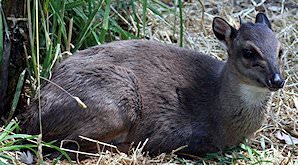
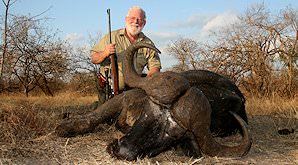
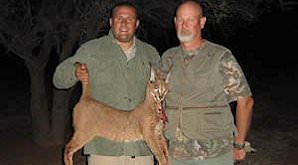
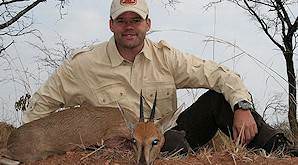
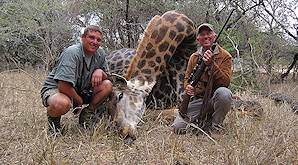
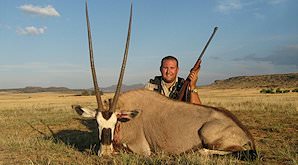
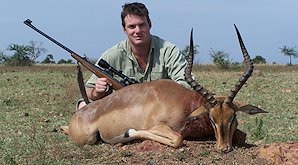
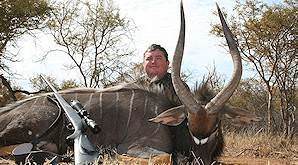
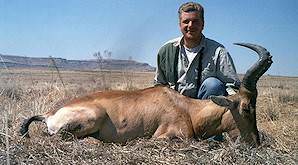
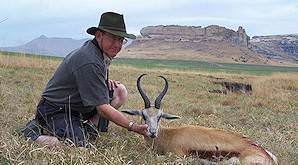
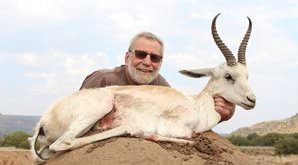
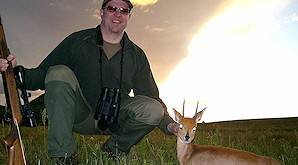
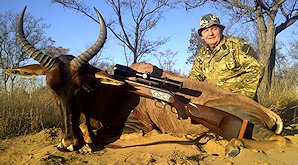
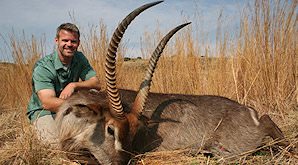
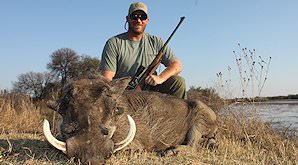
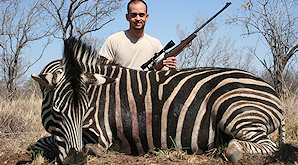
Through the efforts of national parks, game reserves and game concessions, the wilderness of the Eastern Cape has been relatively restored to its former glory. A wide variety of plains game species and dangerous game species are now available for trophy hunting in the Eastern Cape - even the tiny blue duiker, along with the unique opportunity to hunt the caracal with dogs.
Eastern Cape FAQ's
Plan your Eastern Cape adventure with confidence. Our FAQ covers domestic flight connections to Gqeberha, seasonal advice for the mountainous terrain, and diverse activities for non-hunters, including trips to Addo Elephant National Park and relaxing coastal excursions along the Indian Ocean.
Most guests arrive in South Africa via Johannesburg (O.R. Tambo International Airport) and connect on a domestic flight to Gqeberha (Port Elizabeth) at Chief Dawid Stuurman International Airport. Your professional hunting team will meet you there and transfer you by road to camp. Transfer times typically range from 1 to 3 hours.
The Eastern Cape is a productive, year-round destination, but the most popular period is from May to September. During these months, the vegetation is thinner and the weather is cooler. Note that mid-winter (June and July) can be very cold, especially in the mountain ranges.
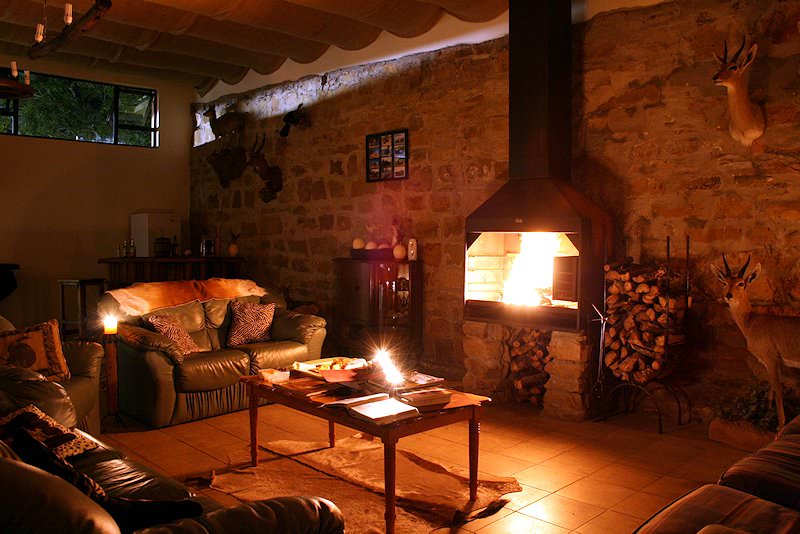
Non-hunters can enjoy guided photographic safaris at nearby reserves like Addo Elephant National Park, coastal beach trips, and exploring local small towns. At camp, guests can relax by the pool, birdwatch, or enjoy fireside evenings in the boma.
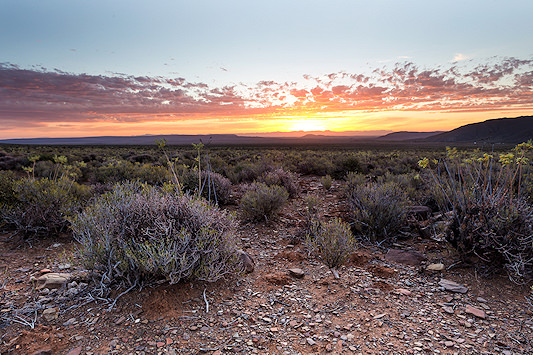
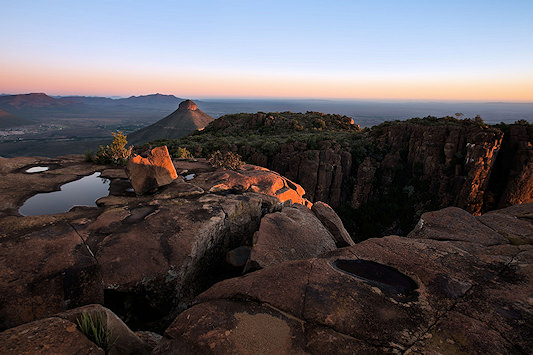
The region offers incredibly varied hunting country, including steep mountains, rocky ridgelines, rolling grasslands, and dense coastal forests. This diversity supports a wide mix of species and is ideal for spot-and-stalk hunting involving plenty of walking and glassing.
Eastern Cape Hunting Camps
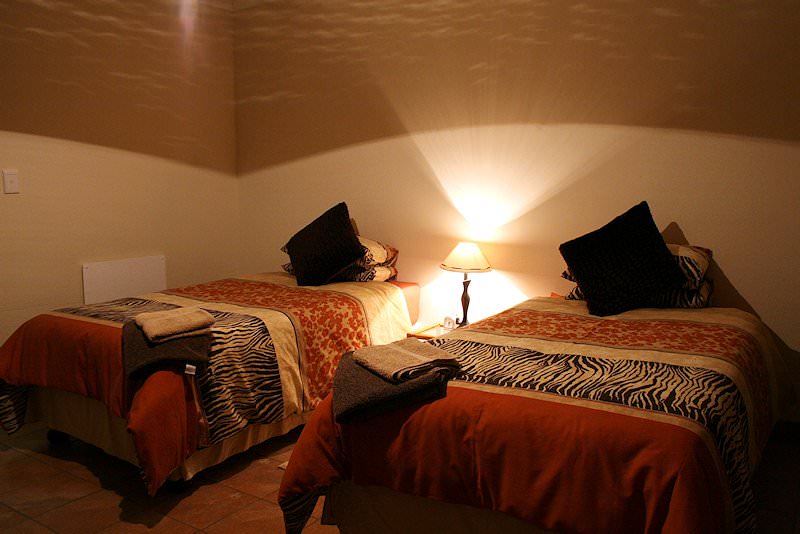
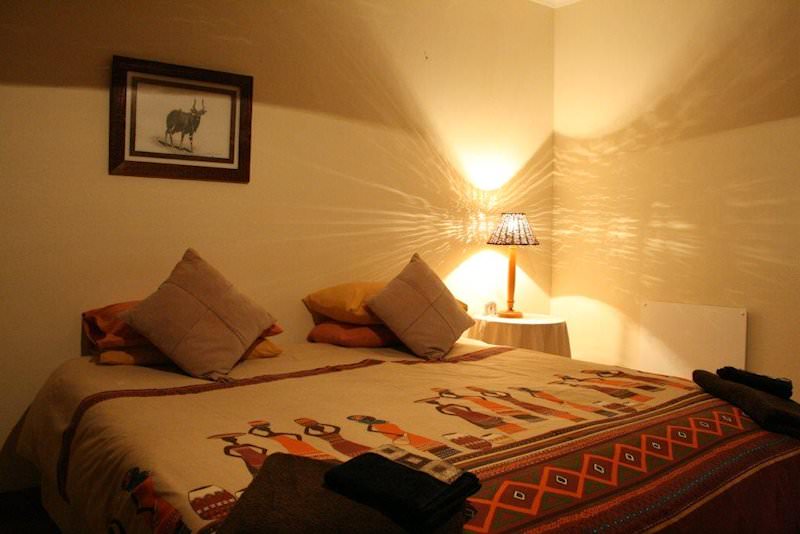
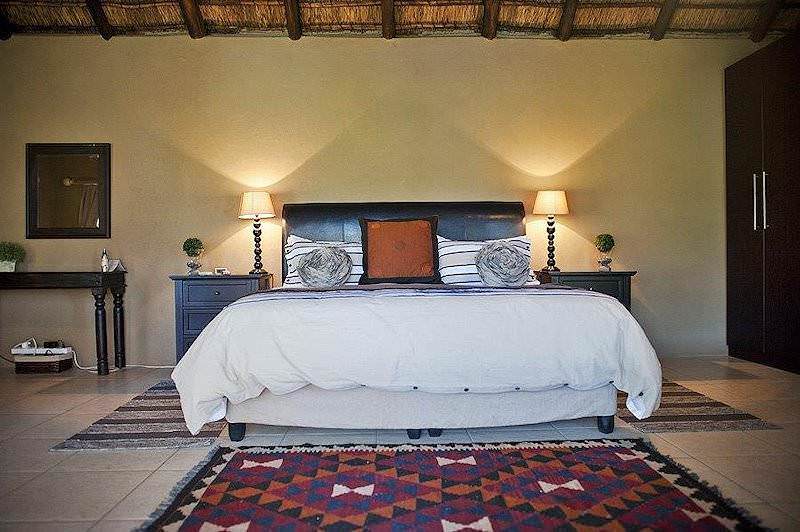
Experience genuine hospitality in our Eastern Cape camps. From luxurious thatched bungalows with mountain views to intimate, off-the-grid farm-style chalets, our accommodations provide modern amenities and all-inclusive dining. Both featured camps include swimming pools for your comfort and relaxation.
Primary Camp


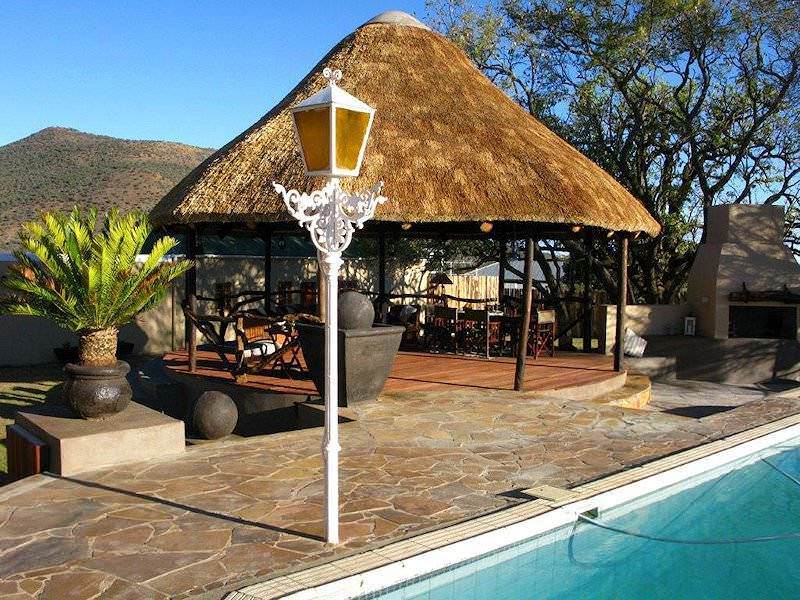
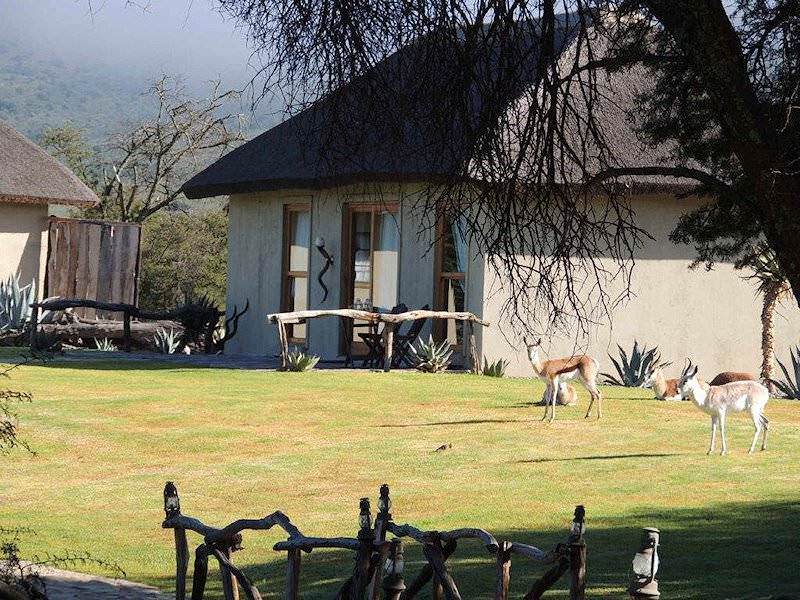
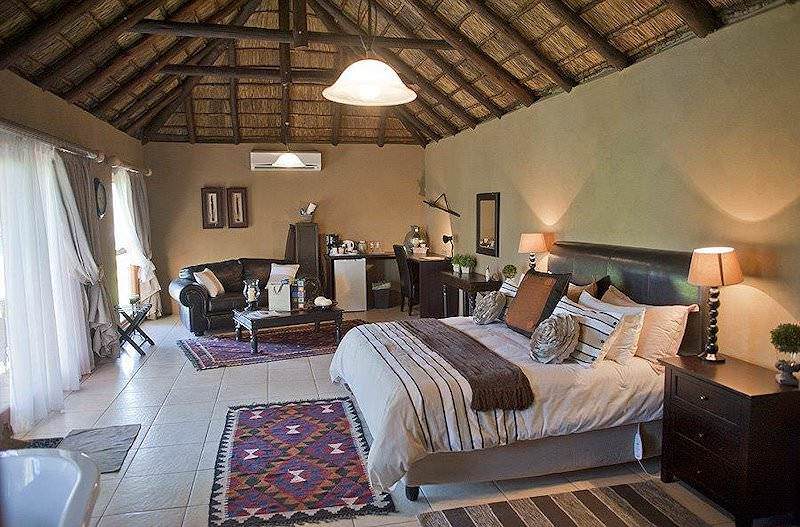
Guests are accommodated in an African Style Camp, consisting of bungalows under thatch. The camp offers sweeping views of the surrounding hills as well as distant mountain ranges. Amenities at this Eastern Cape hunting camp are first-rate. It is one of the most luxurious camps utilized by AS Hunting Adventures in South Africa.
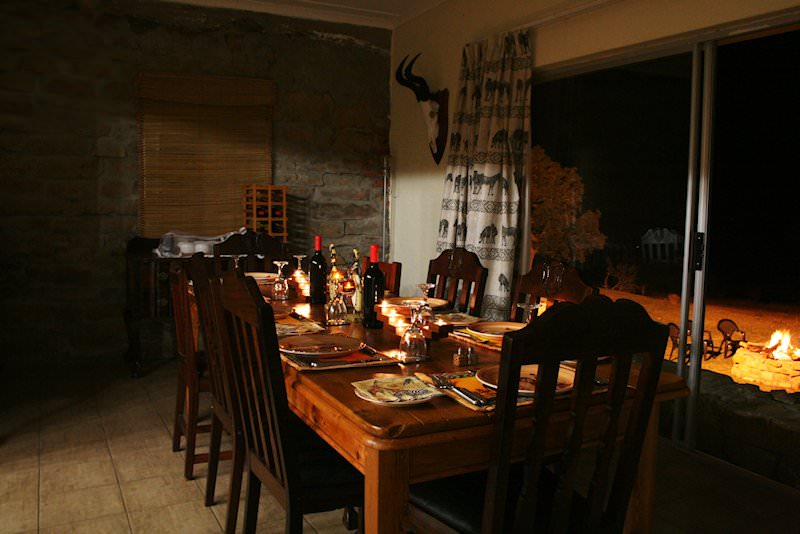
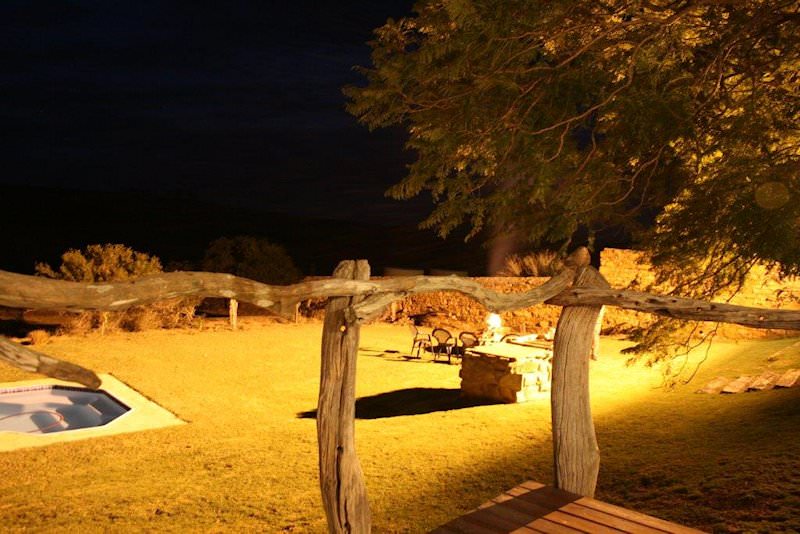
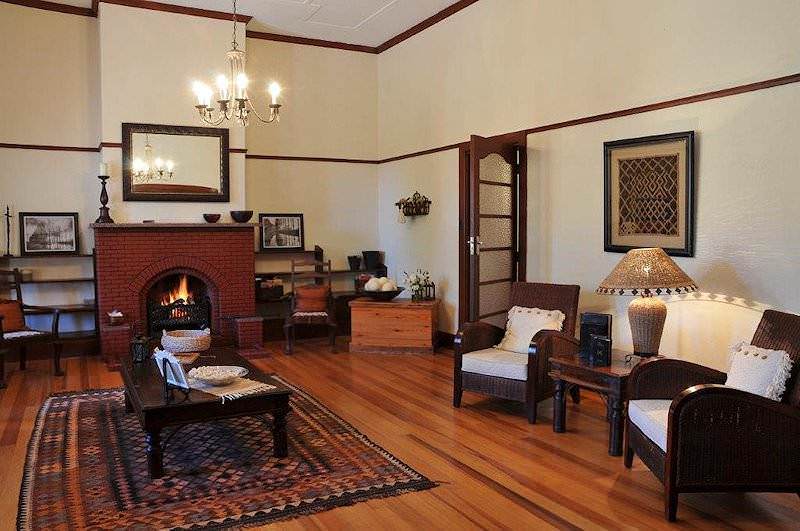
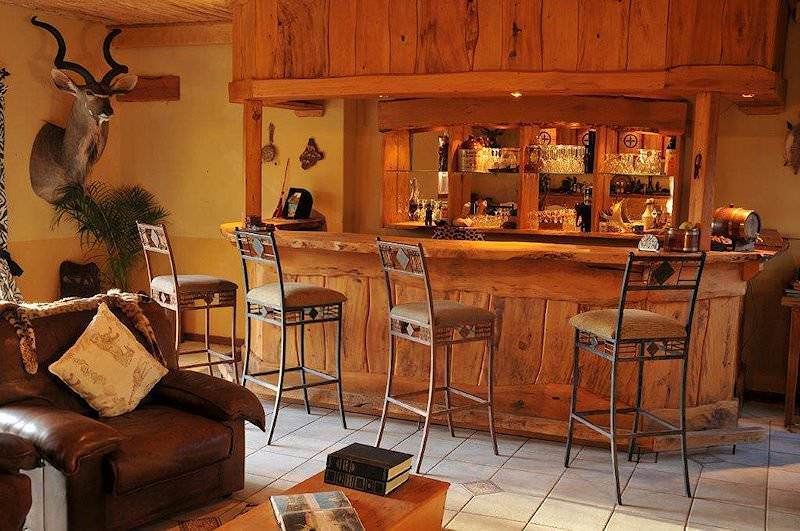
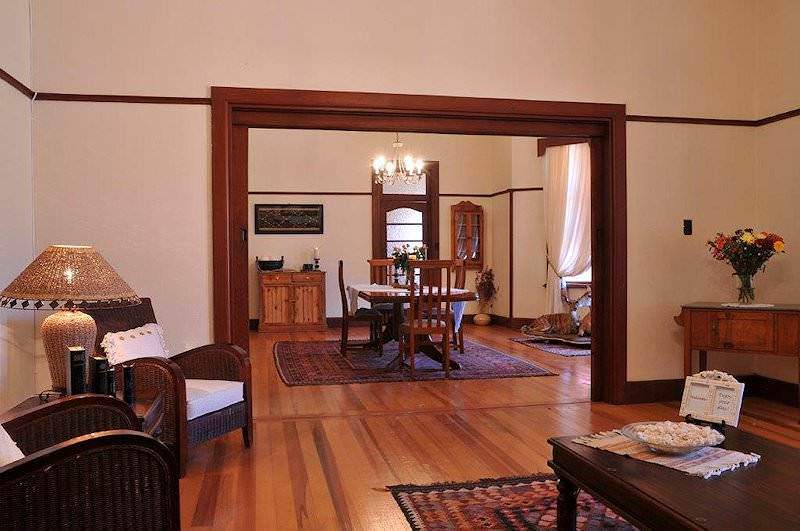
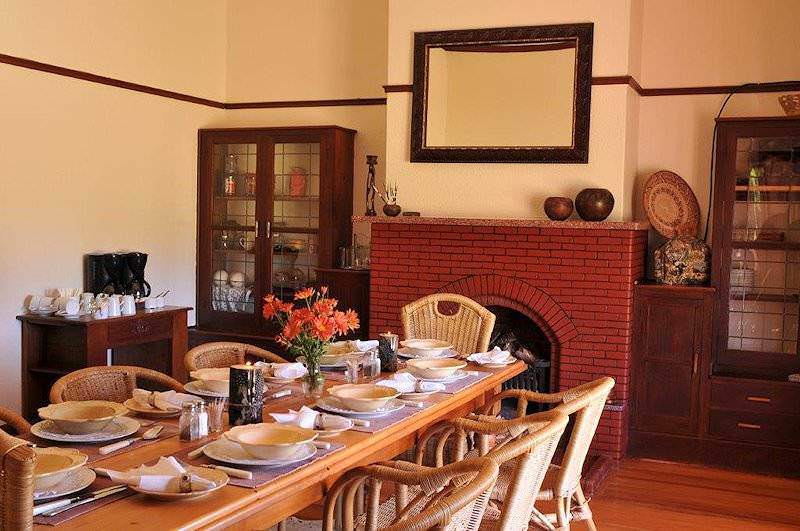
Central areas consist of a tastefully decorated lounge, dining room, as well as a bar where we kick back our heels after returning from the day's hunt. Meals are prepared to the highest standard by camp staff, who also attend to other needs guests might have. The swimming pool is an oasis on warm summer days, where non-hunters can relax and soak up the African sun. An outside "BBQ" area provides the ideal nighttime venue for discussing the day's hunt as well as the challenges that lie ahead while relaxing around a crackling fire under the star-studded sky.
Secondary Camp
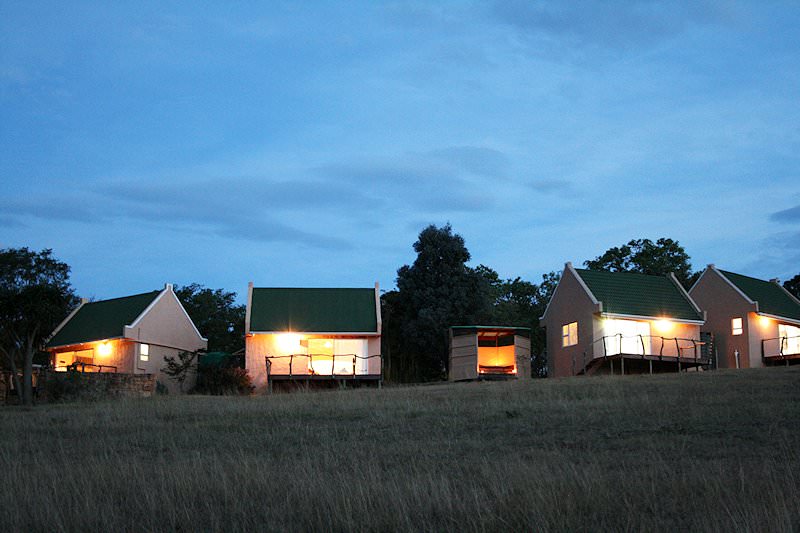
This hunting camp in South Africa's Eastern Cape Province exudes a farm-style, countryside charm. With only four chalets, the camp is intimate and comfortable. You will find no cellular signal or internet access in this wild, off-the-grid corner of the country.
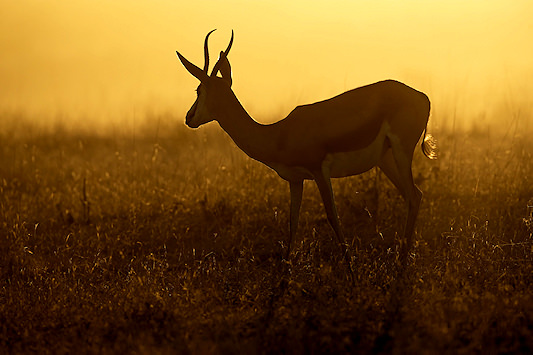
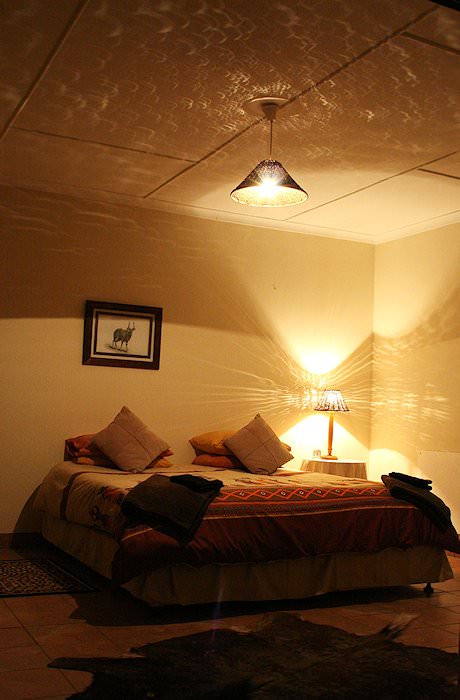
The chalets are spacious and private, including creature comforts like en suite bathrooms, coffee stations and miniature fridges. The grounds surrounding them are impeccably kept, with wildlife like springbok occasionally wandering through.
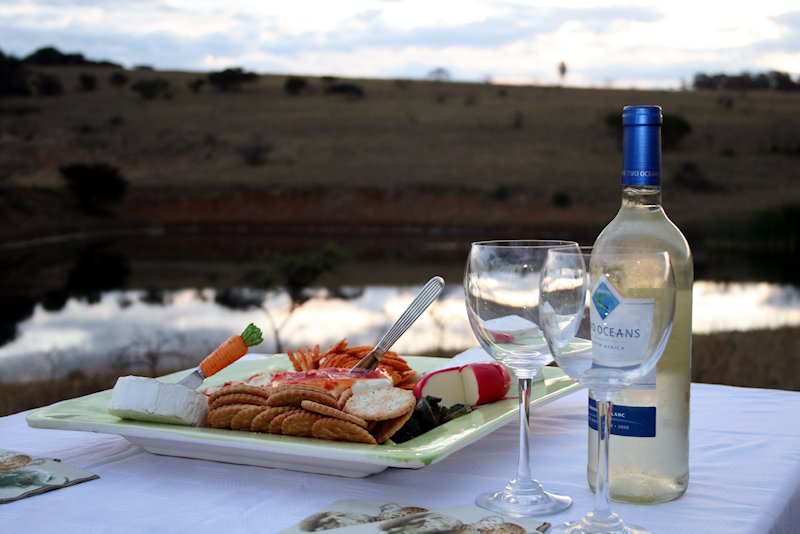
On-site-facilities range from an outdoor swimming pool for hot summer days and a boma area for festive meals. Fireside dining in the wilderness under the silvery expanse of the night sky is sure to be a memorable experience during your hunt.
Trophy Animals available in the Eastern Cape
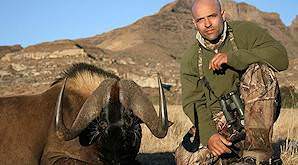
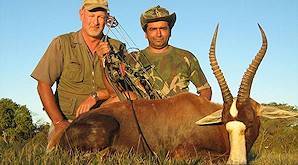
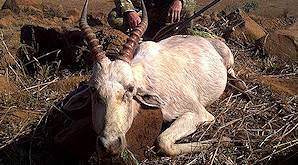
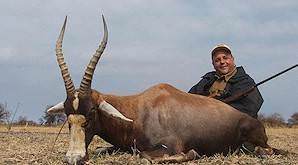
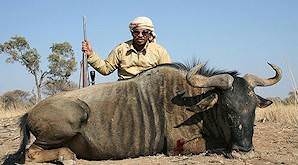
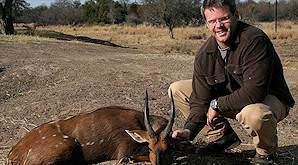
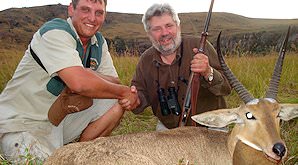
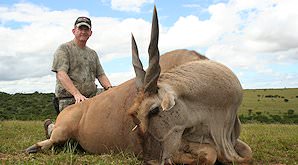
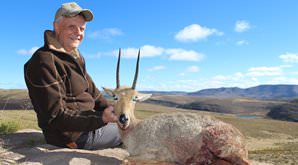
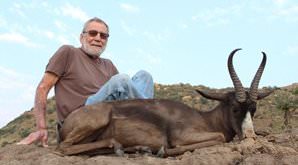
The Eastern Cape is home to unique species and diverse trophy opportunities. Hunt specialized game like the Cape Grysbok and Blue Duiker, or pursue regional favorites including the Bontebok, Black Wildebeest, and Grey Rhebuck across rugged mountains and dense coastal forests.