

Useful Information When Planning Your Hunting Safari
This information guide offers hunters planning a safari to Africa a helpful reference. If one of your questions remains unanswered, please email us for further details.
Important Information & Considerations
Planning a hunting safari involves more than choosing species and dates. This guide summarizes key logistics that affect your trip, including documentation, taxidermy planning, temporary rifle import steps, packing priorities, medical considerations, and seasonal timing. Use it as a practical reference, and contact us if you need help matching requirements to your itinerary and hunting area.
Practical preparation is essential for a smooth and enjoyable safari experience. Understanding documentation requirements, firearm import procedures, and airline regulations well in advance helps prevent delays and unnecessary stress. Hunters should also familiarize themselves with local laws, customs, and safety protocols applicable to their destination country. Proper planning allows you to focus fully on the hunt itself, confident that administrative and logistical details have been addressed before arrival.
Thoughtful packing and health preparation contribute significantly to comfort and success in the field. Selecting appropriate clothing, footwear, and equipment suited to climate and terrain ensures greater mobility and endurance during long days of hunting. Medical considerations, including routine vaccinations, prescribed medications, and basic first-aid supplies, should be discussed with a healthcare professional prior to travel. Being well prepared allows hunters to adapt easily to conditions and make the most of their time on safari.
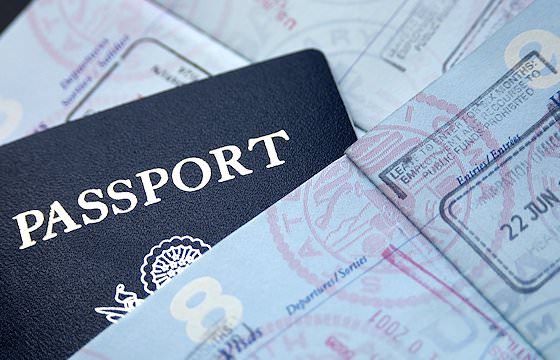
Safari Documentation
Your safari documentation typically comprises your reservation document and the signed indemnity forms upon arrival. Your reservation document includes all the necessary details of your hunting safari, including important terms and conditions.
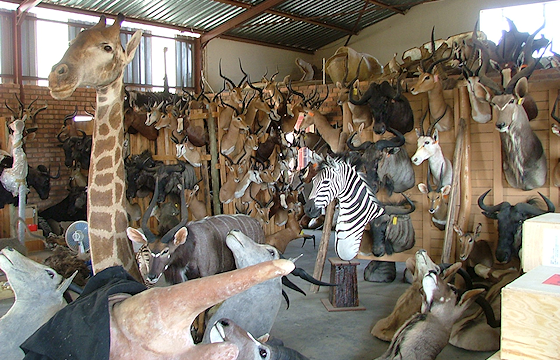
Taxidermy
While we do not handle the taxidermy process of your trophies ourselves, we work with trusted partners in each country where we offer hunting safaris. Here you will find information on the taxidermists and some details on the regulations involved.
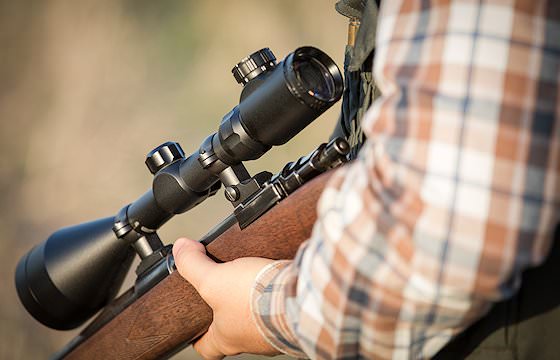
Temporary Rifle Import
A guideline to essential paperwork regarding the temporary importation of your rifles to Southern Africa: you will find the necessary forms in this section. If you need assistance filling them out, do not hesitate to reach out to us.
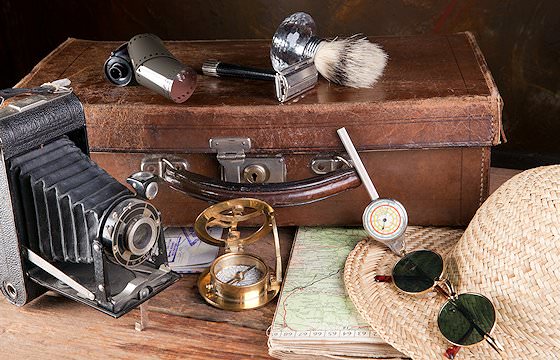
Rifle Calibers & What to Pack
In this section, we offer some helpful information on the various rifle calibers that will complement the animals you plan to pursue on your hunting safari. We also provide an essential list of items that we recommend bringing along on your hunting safari.

Medical Considerations
There are a few medical considerations when traveling to Southern Africa, like preventative measures against malaria and recommended vaccinations. Clients should discuss this with a doctor.

When are the best times for a safari?
The best time to travel to Southern Africa for a hunting safari is during the winter, which generally stretches from late April to mid-August. It is not the rule, but the cooler weather and sparser bush make for better hunting conditions than during the summer.