

Southern Africa's Greatest Hunting Destinations
Whichever African hunting region you choose for your safari, the experience will surely be unforgettable. The choice should largely come down to the species you wish to pursue and the areas in which they are most abundant. Southern Africa has many excellent hunting destinations - below we offer a few suggestions.
South Africa
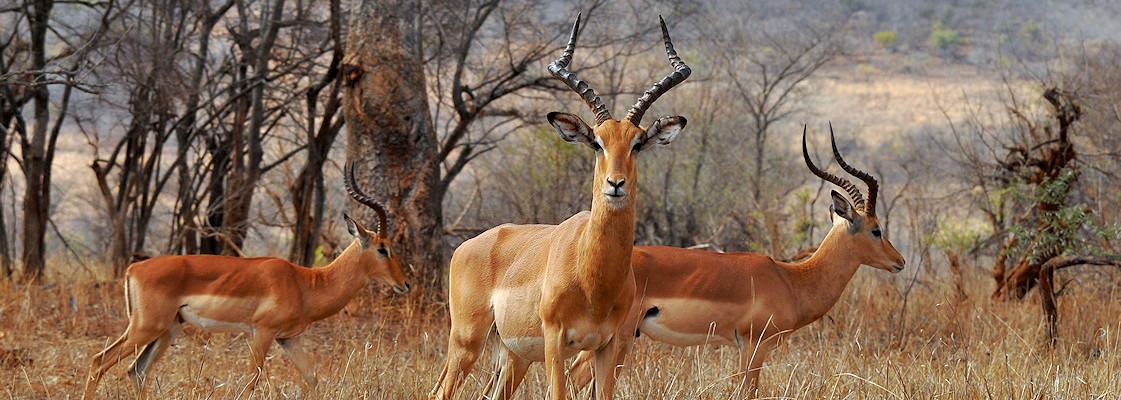
South Africa offers the widest variety of huntable plains game in Southern Africa and a choice of habitats, from the bushveld in the northeast to the wide grasslands of the Free State and the rugged mountains of the Cape. The best region for your safari depends on the species you want and whether you prefer close-range stalking or longer shots.
Cape Region
The Cape Region's bountiful endemic flora and often mountainous landscapes offer the perfect backdrop for hunting in this part of the world. This particular stage is set once that first trophy is spotted in and among dense vegetation on the other side of a hill, grazing on the beautiful fynbos undergrowth. Antelope are among the most common trophies, with the Bontebok, a species endemic to the area, Cape Mountain Zebra, and Cape Eland among the animals that one would travel to the region for, and with good reason.
Free State
The Free State is an essentially flat province within the center of South Africa, with large grassland areas stretching to its northern borders. Herds of Springbok, blue wildebeest, and the endemic black wildebeest graze, walking some distance over the landscape, ready for the hunt. Here a hunter has no problem spotting the animal, though shots are often taken from long distances due to the minimal cover these grasslands offer for a vehicle or man on foot.
Northern Region
The tropical and subtropical areas of the Limpopo and Mpumalanga Provinces of South Africa are home to abundant populations of antelope, big cats, and buffalo and larger mammals such as elephants, rhinos, and giraffes. The woodland areas here are some of the most prolific hunting grounds in the country, where suitable trophies are shot throughout the year, largely thanks to the continuous conservation standards upheld by game owners. The abundance of game farms where hunting is permitted here allows these conservation efforts to continue while allowing the eager hunter to pack his rifle and enjoy this seasonal sport. The “Big Five” traditionally refers to lion, leopard, rhinoceros, elephant, and buffalo. Availability for any of these species depends on the specific area, permits, regulations, and season.
Namibia
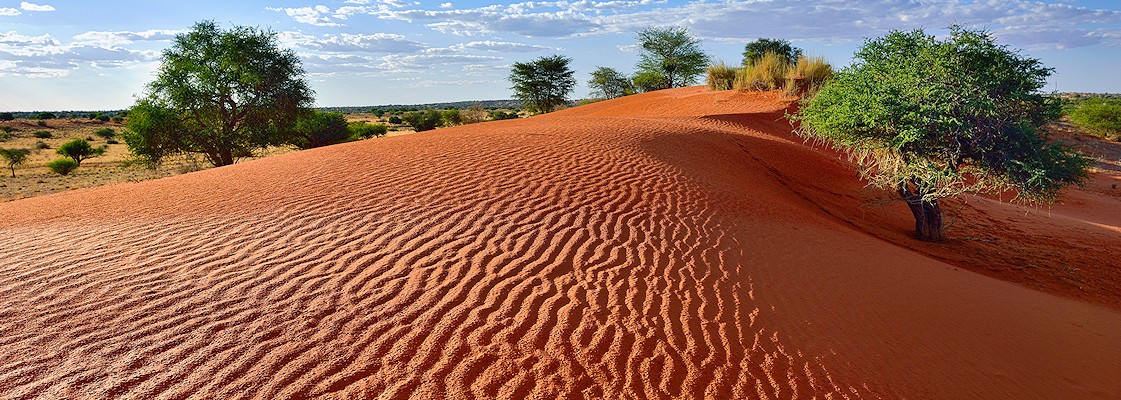
Namibia is known for arid and semi-arid landscapes, excellent visibility, and classic desert-adapted species such as gemsbok (oryx) and springbok. Depending on the area, hunts may focus on waterpoints in drier regions or walk-and-stalk in thorn savanna and hills. It is a strong choice for hunters who want open-country glassing and a true wilderness feel.
Namib and South of Namibia
The Namibian landscape here is a largely arid and semidesert one that teases the mind with its endless barren stretches. Here animals are often well concentrated around water sources such as artificial dams or boreholes. The Gemsbok and Springbok are the most abundant species in this Namibia area due to their robustness in these water-scarce flats. Other large antelope, such as the eland and blue wildebeest, are also found in scattered locations where the climate is slightly more hospitable. The harsh conditions in which animals here have to survive often lead to species diversity favoring the strongest more than usual, resulting in larger individuals. This is most evident in the parts of Namibia bordering the start of the Kalahari Desert.
Central Namibia
The center of Namibia, most easily accessed by the Hosea Kutako International Airport in Windhoek, is mainly composed of thorny savanna and woodland habitats, again very favorable for a closer range hunting experience. The Big 5 is often hunted on game farms in this area, where sufficient cover and flats between mountainous areas offer ideal hunting conditions not dissimilar to the bushveld of the northern parts of South Africa. These are typical African savanna areas, though the distant hills seen from the central highway north that seem to stretch on indefinitely give some much-needed relief to an otherwise reasonably flat environment.
Zimbabwe
The Zambezi River, the water provider to great masses of life along the border of Zimbabwe, creates conditions favorable to great hunting expeditions in this narrow streak known as the Zambezi Valley. Great herds of elephants and buffalo are often found along the river banks and habitually cross over into hunting-permitted concessions, much like their fellow Big 5 members, the Leopard, Lion, and Rhino.
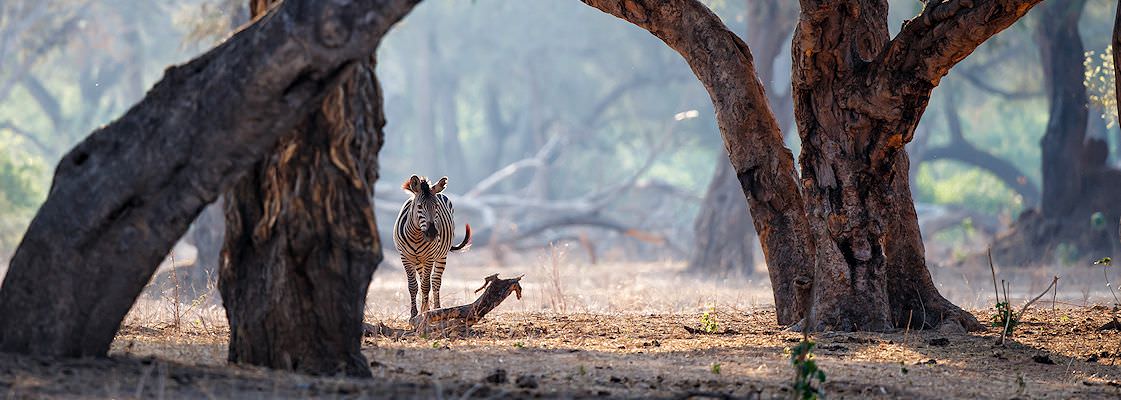
These concessions stretch from the area of Chewore in the north of the country to the westerly region of Matetsi, where the great variety and supply of game allows extensive seasonal hunting to take place, giving visitors to the area quite a pick. Sables, Roan antelope, Common Eland, Hartebeest species, Zebra, and blue wildebeest are atop the extensive list of game found here. Smaller mammals such as the Common Duiker, Klipspringer, and Steenbok are often found hiding in the area's undergrowth or rocky hills bordering valleys. Subspecies like the Chobe bushbuck and Livingstone Eland add a unique rarity to your choice of game to hunt in Zimbabwe.
Zimbabwe supports one of Southern Africa’s largest elephant populations, with recent estimates often cited in the tens of thousands (frequently around the ~80,000 range), varying by survey method, year, and region. Most of the habitats here are comprised of stretches of grassland and scattered trees. Isolated forest areas form denser patches as the terrain grows rockier, offering some cover to the hunter and facilitating this extraordinarily diverse and condensed collection of game any hunter in the region is immediately confronted with.